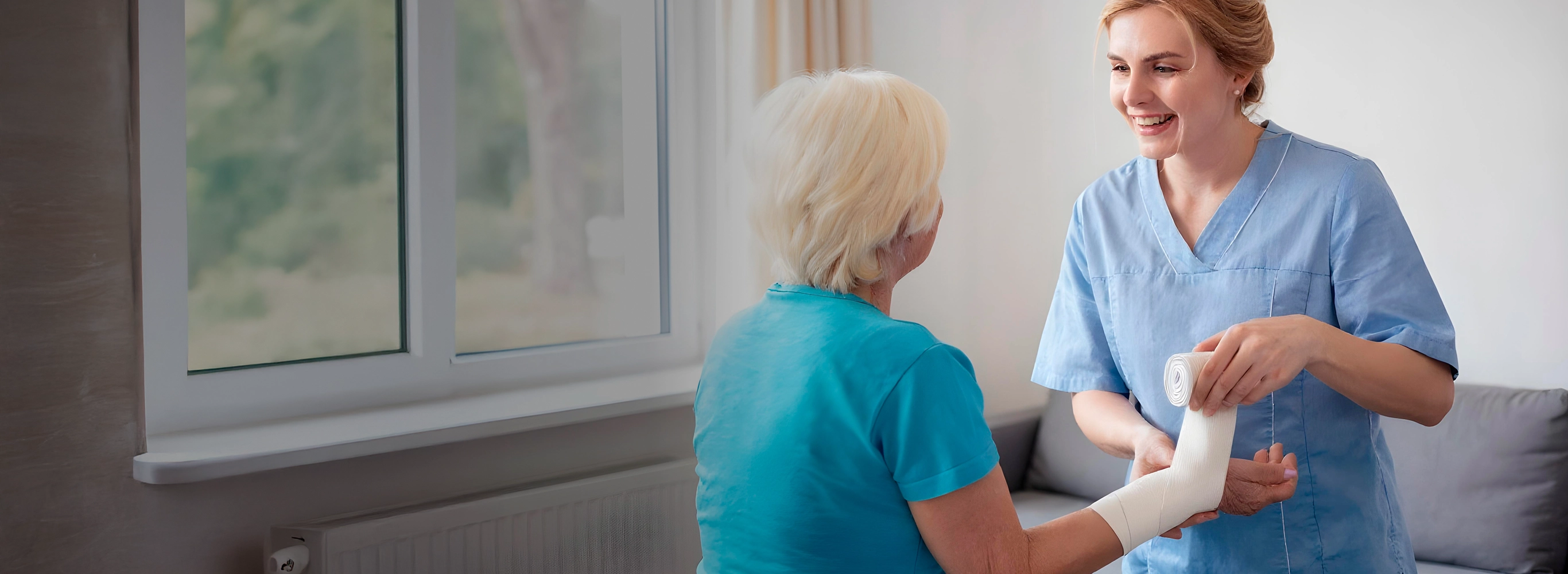
Expert Wound Care in the Comfort of Your Home
Say goodbye to clinic visits. At Life Wound Care, our expert team delivers advanced wound treatment directly to your door. Whether you're recovering from surgery or managing chronic or pressure wounds, we provide personalized, medical-grade care where it matters most — at home.
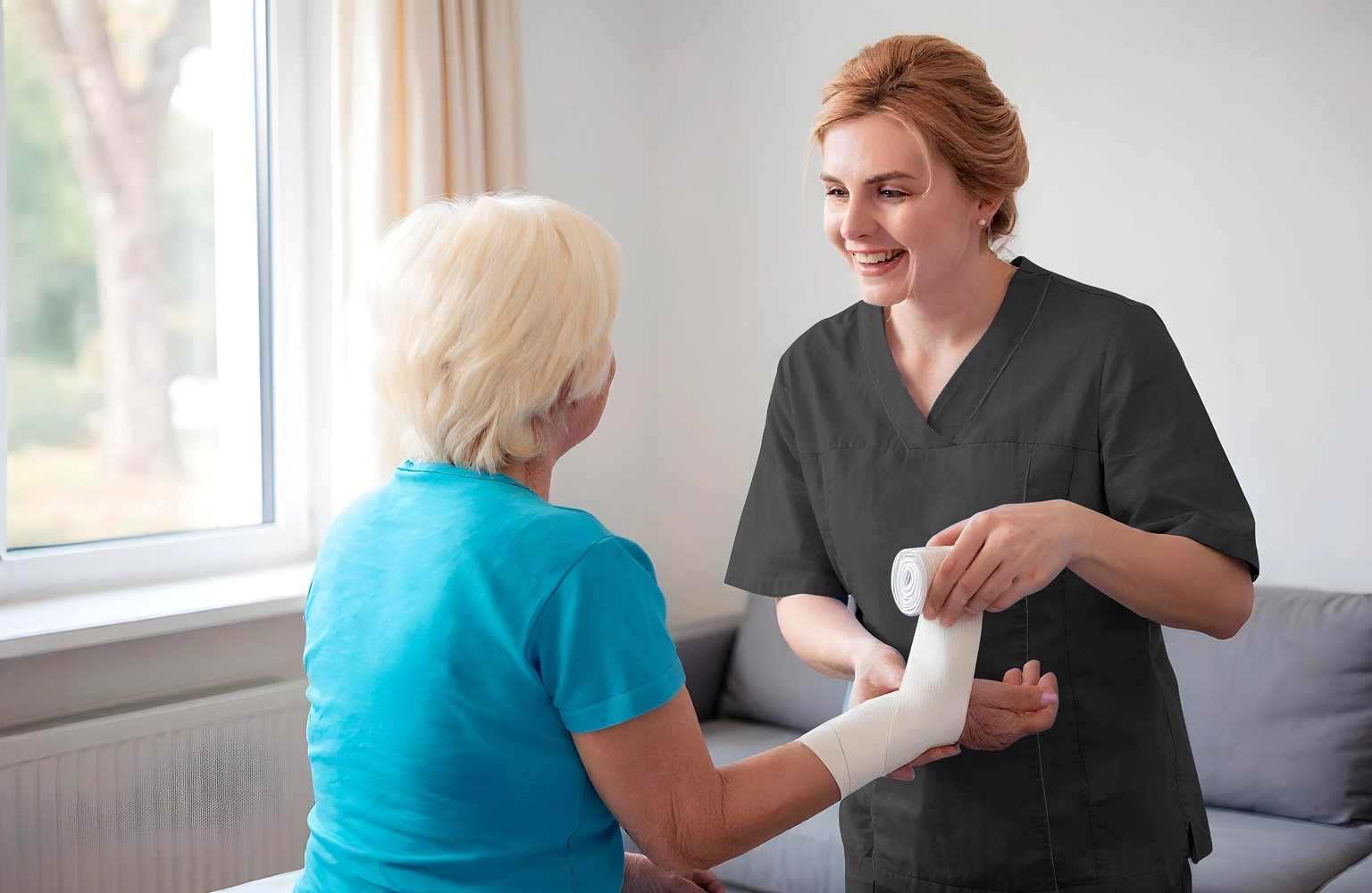
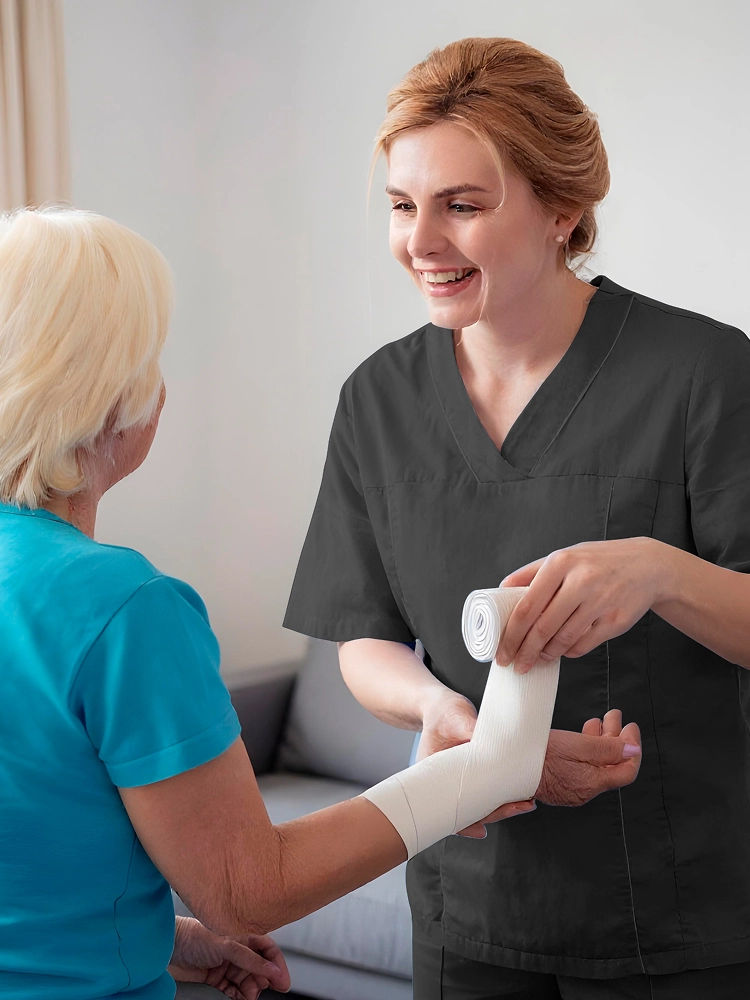
Say goodbye to clinic visits. At Life Wound Care, our expert team delivers advanced wound treatment directly to your door. Whether you're recovering from surgery or managing chronic or pressure wounds, we provide personalized, medical-grade care where it matters most — at home.
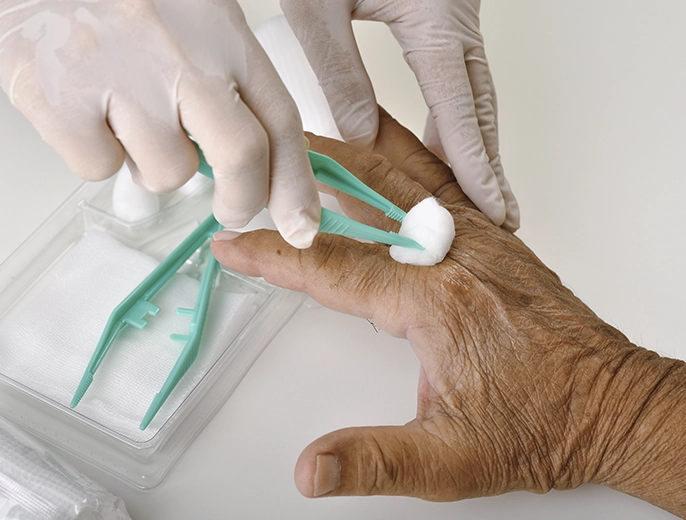
Why Choose Life Wound Care?
- In-home treatmentNo need to travel or wait at a clinic
- Specialized careDelivered by licensed wound care professionals
- Faster healingFocused on promoting recovery and preventing complications
- Comfort-focusedSupporting your well-being and quality of life
- On-site facility careWound care provided in Nursing Homes, Assisted Living Communities, Group Homes, and similar settings
What we Treat

Chronic wounds

Surgical wounds
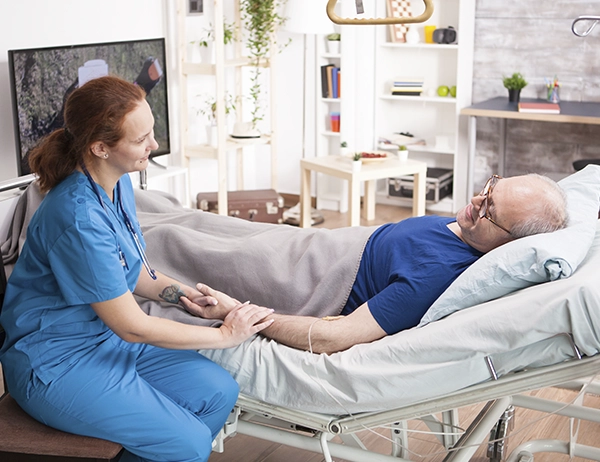
Pressure ulcers
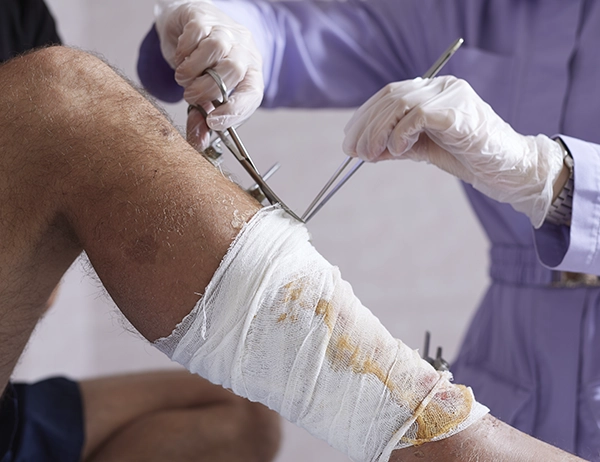
Complicated
or non-healing wounds
Frequently Asked Questions

The best way to promote faster healing is to keep the wound clean, protected, and properly dressed while following your healthcare provider's instructions. Good nutrition, blood sugar control, and avoiding smoking can also support healing. For more complex injuries or chronic wounds, wound treatment at home and regular wound assessment can help identify problems early and reduce the risk of complications.
Proper wound care at home starts with cleaning the wound as directed, keeping it covered with a clean dressing, and watching for signs of infection such as increased redness, swelling, or drainage. Some patients may require professional dressing changes at home or visits from a wound nurse to ensure the wound is healing properly.
The three D's of wound care generally refer to Drainage, Debridement, and Dressing. Managing wound drainage, removing unhealthy tissue when necessary, and using the appropriate dressings all support healing. These principles are often part of comprehensive wound management services, particularly for patients recovering at home.
Yes. Medicare may cover medically necessary wound care at home when it is ordered by a physician and provided by eligible healthcare professionals. Coverage depends on your medical condition and plan benefits. Services may include skilled nursing visits, post surgical wound care, and ongoing monitoring to support proper healing.
Medicare does not set a fixed number of visits for home wound care. The frequency is determined by your physician based on the severity of the wound, how quickly it is healing, and medical necessity. Patients with chronic wounds or those requiring diabetic wound care may need more frequent visits until their condition improves.
Medicare generally does not cover non-medical caregivers who assist with daily activities such as bathing, cooking, or housekeeping. However, it may cover intermittent skilled nursing services, including care provided by a wound care specialist at home when medically necessary. Coverage varies based on eligibility and the specific services prescribed by your physician.
Avoid picking at the wound, using unapproved home remedies, skipping dressing changes, or exposing the wound to unnecessary moisture or dirt. Ignoring early signs of infection can delay healing and increase complications. Following proper infection prevention wound care practices and your provider's instructions can help support a smoother recovery.
Many private insurance plans, Medicare, and Medicaid provide coverage for medically necessary wound care, although benefits vary by plan. Depending on your condition, covered services may include mobile wound care, skilled nursing visits, specialized treatments, and other wound management services prescribed by your healthcare provider.


ID: 31D2322466
Coverage Area
- Essex
- Morris
- Somerset
- Union
Contact
120 Eagle Rock Ave, Suite 200, East Hanover, NJ 07936
(973) 607-4911
hello@medical.lifeRandolph medical clinic 477 NJ-10, Suite 204 Randolph, NJ 07869
Life Ride, Life Home Care, Life DME, Life Home Therapy, Life Hospice, Life Health Group logos are all Registered in U.S. Patent and Trademark Office
Life Medical is a division of Life Health Group. Care provided by Life Medical Group PC and affiliated practices.
Privacy Policy