Stay Connected to Your Health: Expert Remote Monitoring
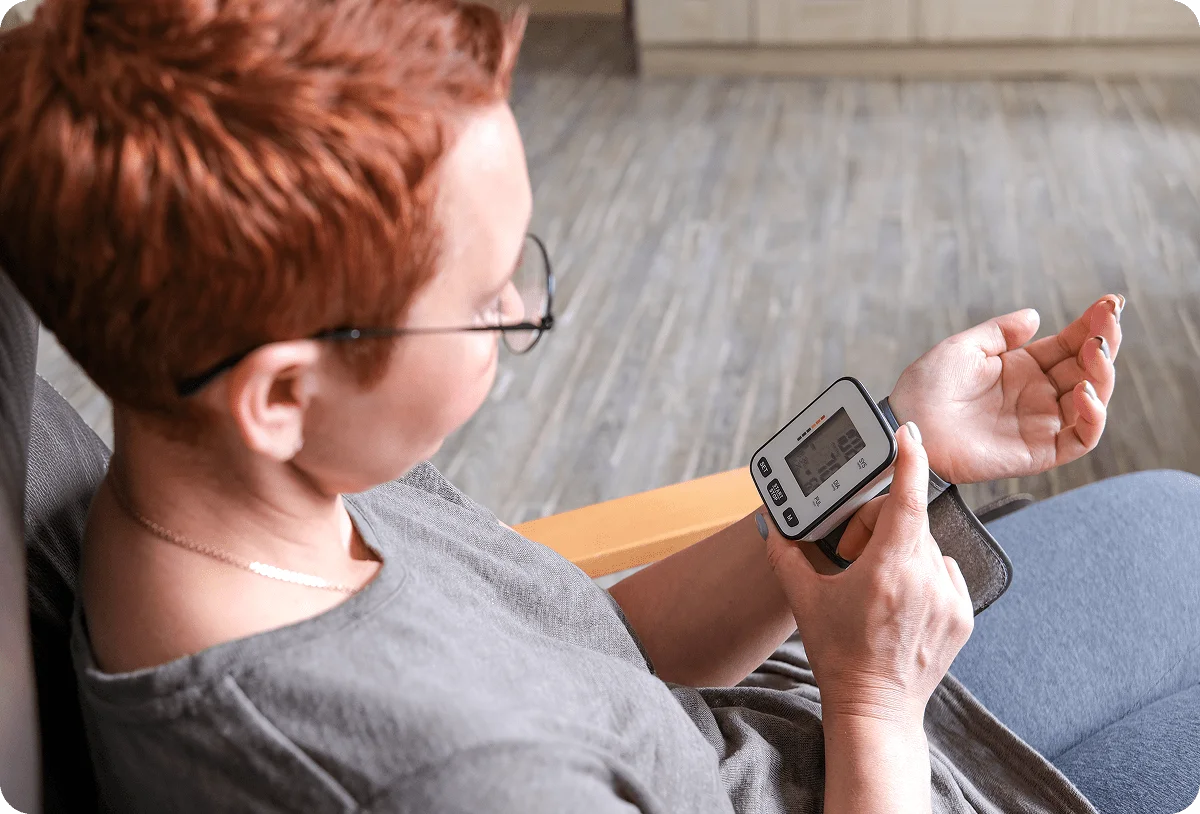
Remote Patient Monitoring (RPM) helps you manage chronic conditions at home. Secure, easy-to-use devices track vital signs (blood pressure, glucose, weight, etc.) for your care team. They monitor your readings in real time to make proactive decisions, helping you stay healthier.
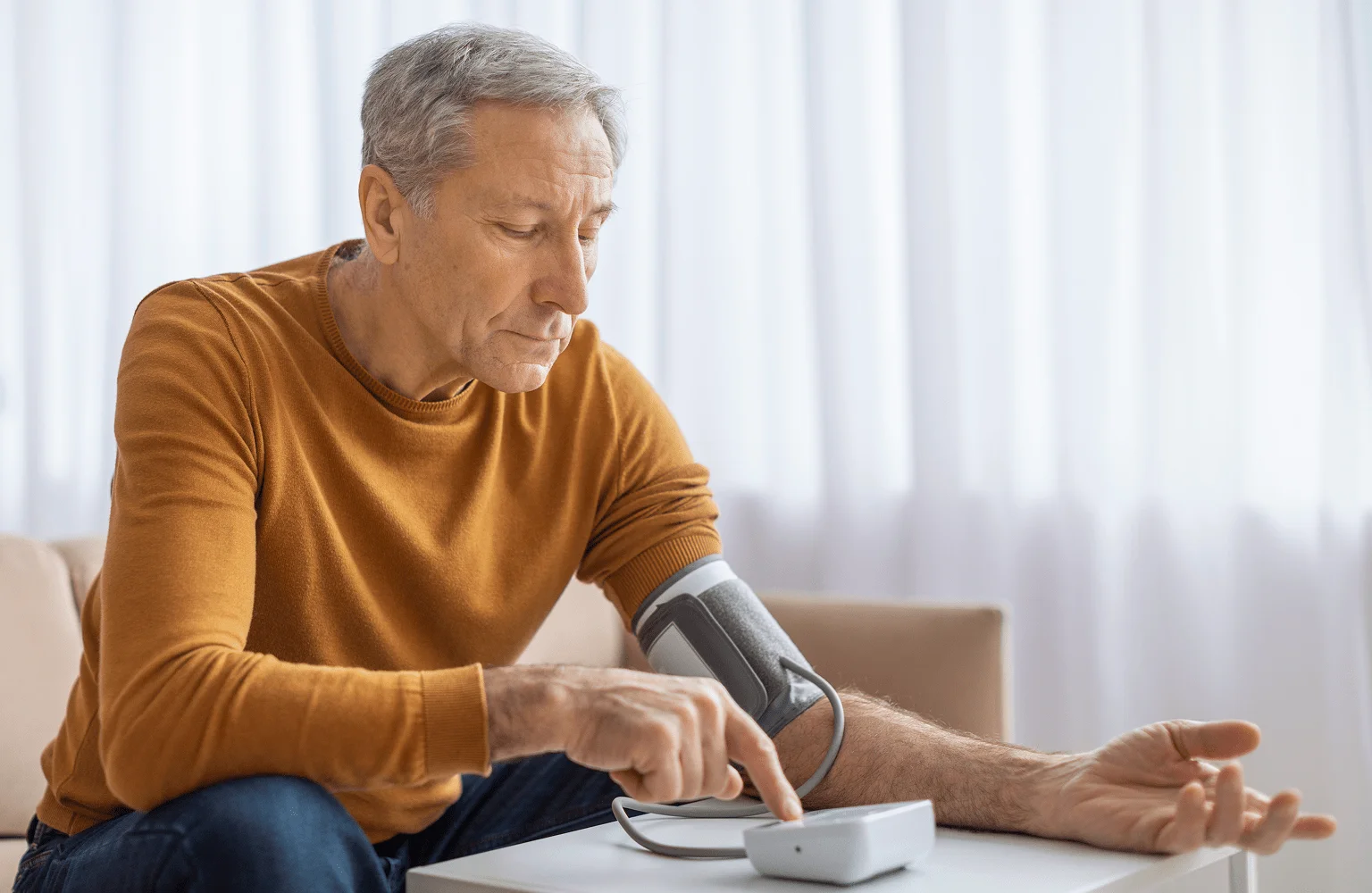
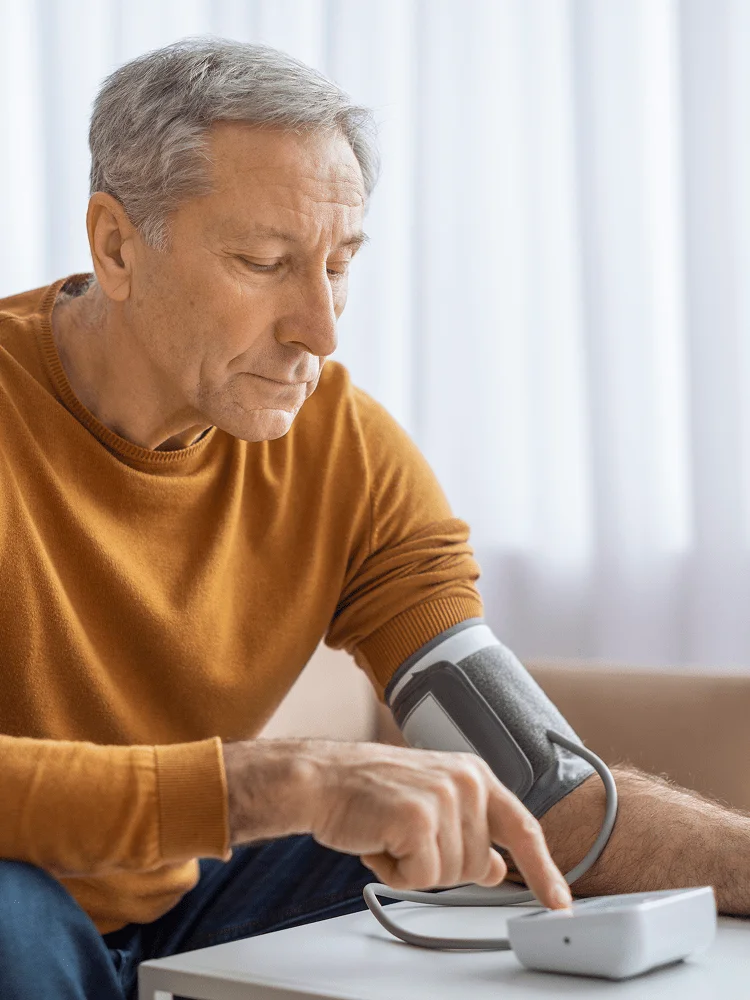
Remote Patient Monitoring (RPM) helps you manage chronic conditions at home. Secure, easy-to-use devices track vital signs (blood pressure, glucose, weight, etc.) for your care team. They monitor your readings in real time to make proactive decisions, helping you stay healthier.
Why Continuous Monitoring is Key to Your Health
RPM is designed to eliminate gaps and delays in care. By staying connected, you ensure your medical team has the data they need, wherever you are. This proactive approach can significantly:
- Reduce emergency room visits and hospitalizations.
- Get support for managing your chronic conditions between office visits.
- Stay engaged and informed about your health.
- Avoid gaps or delays in care.
RPM is often covered by Medicare, Medicaid, and most private insurance plans.
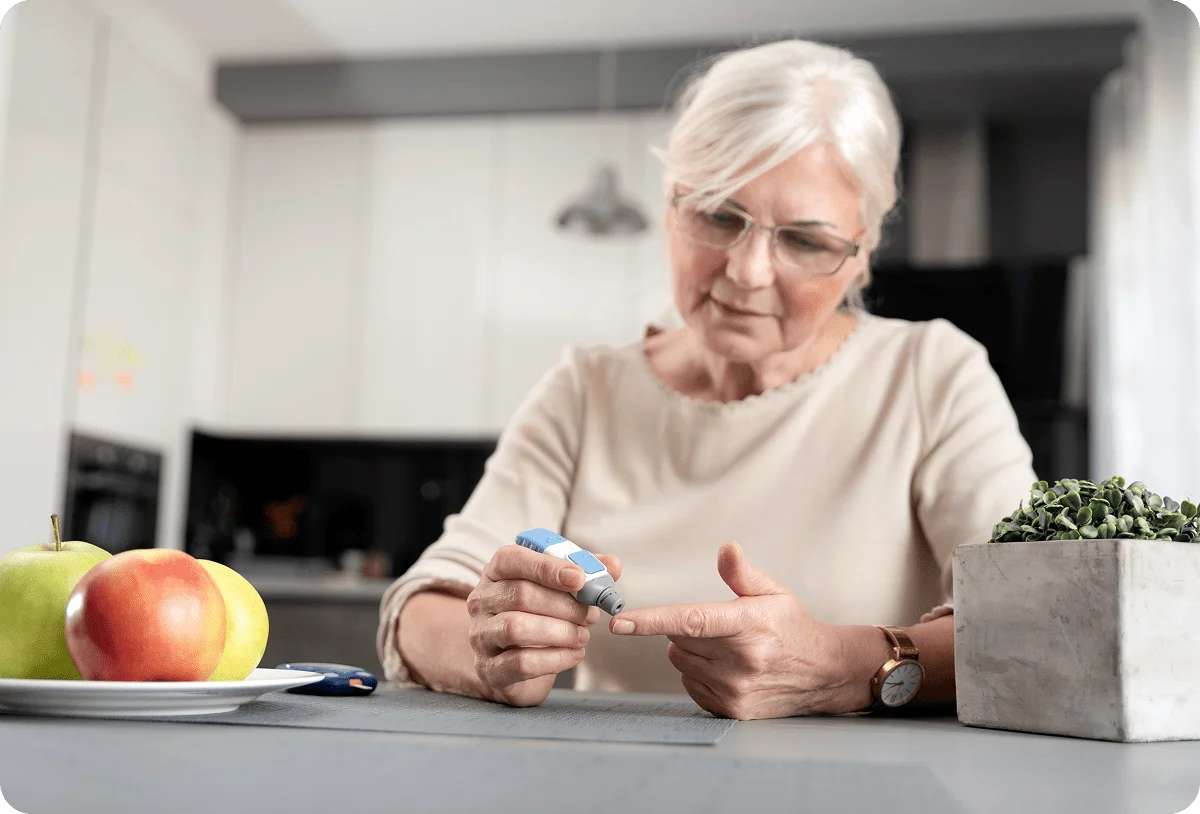
Who Can Benefit from Remote Monitoring?
- Patients with chronic conditions such as high blood pressure, diabetes, heart failure, COPD, or obesity.
- Anyone managing a chronic or high-risk condition who needs frequent data review.
- Patients needing regular monitoring of vital signs (like blood pressure or weight) at home.
OUR SIMPLE 4-STEP PROCESS


Step 1
We'll Call You:
A member of our RPM team will contact you to review the program, answer your questions, and walk you through enrollment.
2

Step 2
Device Is Delivered:
You'll receive your cellular-connected device in the mail within 5 business days.
3

Step 3
Take Your First Reading:
Once your device arrives, simply turn it on and take your first reading.
4

Step 4
We Monitor for You:
Your reading is automatically and securely sent to your care team for review. No setup or syncing required.
Frequently Asked Questions

Medicare covers eligible remote patient monitoring (RPM) services when they are medically necessary and ordered by a qualified healthcare provider. Coverage depends on the specific services provided and the patient's Medicare benefits.
Remote patient monitoring uses connected medical devices to collect and transmit health data from a patient's home to their healthcare team. Common examples include blood pressure monitoring at home, glucose monitoring, pulse oximetry, weight tracking and other forms of medical monitoring at home that help providers manage chronic conditions between office visits.
Remote patient monitoring at home is commonly used to manage chronic conditions such as high blood pressure, diabetes, heart failure, COPD and other long-term illnesses. Regular monitoring allows healthcare providers to identify concerning trends early and adjust treatment before complications develop.
No. While remote patient monitoring for seniors is especially valuable because it supports aging in place and helps manage multiple chronic conditions, RPM can benefit adults of any age who require ongoing health monitoring or chronic disease management.
The devices used depend on the patient's condition and may include blood pressure monitors, blood glucose meters, pulse oximeters, digital scales, thermometers and other FDA-approved equipment. These tools securely transmit health information to support ongoing patient monitoring services.
Monitoring schedules vary based on the patient's care plan and medical condition. Healthcare providers regularly review transmitted data and are alerted when readings fall outside established ranges, allowing them to respond promptly when necessary.
No. RPM at home is designed to complement, not replace in-person or telehealth appointments. It gives providers additional insight into a patient's health between visits, helping them make more informed treatment decisions.
Yes. Diabetes remote monitoring enables healthcare providers to review blood glucose readings remotely, identify trends, and make timely treatment recommendations. This ongoing oversight can improve diabetes management and help reduce the risk of complications.
Most RPM devices are designed to be simple and user-friendly. Healthcare providers help patients set up the equipment and explain how to use it. Many devices automatically transmit readings, making remote patient monitoring at home convenient for patients and caregivers alike.
Patient monitoring services help healthcare providers detect health changes earlier, improve chronic disease management, reduce unnecessary hospitalizations and support more personalized care. For many patients, medical monitoring at home also offers greater convenience and peace of mind while remaining in familiar surroundings.


ID: 31D2322466
Coverage Area
- Essex
- Morris
- Somerset
- Union
Contact
120 Eagle Rock Ave, Suite 200, East Hanover, NJ 07936
(973) 607-4911
hello@medical.lifeRandolph medical clinic 477 NJ-10, Suite 204 Randolph, NJ 07869
Life Ride, Life Home Care, Life DME, Life Home Therapy, Life Hospice, Life Health Group logos are all Registered in U.S. Patent and Trademark Office
Life Medical is a division of Life Health Group. Care provided by Life Medical Group PC and affiliated practices.
Privacy Policy